
Many people seek to choose the most effective sporting activity to burn fat and reach their ideal weight. Walking and running are among the most popular choices due to their ease and the possibility of practicing them at any time and without complicated equipment. However, the most important question remains: What is the difference between walking and running in burning fat? The answer depends on several factors related to the intensity of the exercise, the duration of the practice, and the level of physical fitness, which makes understanding the difference between walking and running an essential step to choosing the most suitable exercise for each person.
The difference between walking and running in burning fat
Walking and running are both effective at burning fat and losing weight, but the way each contributes differs, especially when exercising on a treadmill or outdoors. Understanding these differences helps you choose the method that best suits your fat-loss aspirations.
- Calories burned: Running burns more calories per minute because it is more intense and requires more energy, which contributes to burning more overall fat in less time.
- Using fat versus carbohydrates: During moderate walking, the body relies on a larger proportion of fat as an energy source, while during running the heart rate increases and the body relies more on carbohydrates.
- Total fat burning: Although walking uses a higher percentage of fat as an energy source, running, due to the higher total calories burned, tends to burn more fat overall at the same time.
- Impact on the body: Walking is a low-impact activity on the joints, making it suitable for beginners or those with joint problems, while running is a high-impact activity that can deliver faster results but may cause greater stress.
- Consistency and commitment: Walking is easier to maintain in the long term because it is less strenuous, and this is important because regular consistency leads to better results in burning fat in the long term.
The difference between walking and running on a treadmill
Walking and running on a treadmill may seem similar on the surface, but they differ in the way they move, the control of the exercise, and the nature of the pressure on the body during the exercise. These differences not only relate to the results or health benefits, but also include the experience, the effort required, and the way the machine itself is used.
- Movement pattern and mechanics: Walking on a treadmill keeps the foot in constant contact with the ground, while running involves a short flight phase where both feet are in the air between each step, which changes the pattern of muscular movement.
- Exercise effort: Running requires greater strength and faster coordination of movement compared to walking, as it requires propelling the body through the air with each step.
- Speed and incline control: While walking, speed control is constant and relatively slow, allowing the body greater balance at a constant level of effort. Running, however, requires more precise adjustment of speed and incline to achieve a suitable exercise experience.
- Difference in muscle strain: Running activates the largest number of muscles in the legs and thighs due to acceleration and rapid progress, while walking distributes muscle effort in a more balanced and less strained manner.
- Adjusting length and steps: While walking on the treadmill, your steps are more balanced and steady due to the slower movement, whereas running requires longer steps and faster coordination to keep pace with the moving belt.
How does heart rate affect fat burning?
When you engage in any physical activity such as walking or running on a treadmill, your heart rate rises above your resting rate because your heart needs to pump more blood to your muscles. This rise in heart rate directly affects the type of energy the body uses during exercise.
1. Baseline burn range (60–70% of maximum pulse):
- In this range, fat is used as the main source of energy because the body deals with the exertion in a moderate way, which helps to increase the percentage of fat burned during exercise.
- The goal is usually for your pulse to be around 70% of your heart's maximum capacity to make the best use of this context.
2. Moderate to high voltage range (>70%):
- When the heart rate rises above this level, the body becomes more dependent on carbohydrates for energy rather than fats due to the increased need of muscles for quick energy.
- However, high-intensity exercise may burn more calories overall during a session, which may help with long-term fat loss even if the percentage of fat consumed is lower.
The effect of exercise duration versus intensity on weight loss
When it comes to weight loss, both the duration and intensity of exercise play an important role in influencing energy burned and fat lost, but the effect of each may vary depending on the goal, consistency, and overall activity level.
First: Duration of the exercise (length of time):
- Studies show that increasing total weekly exercise time is associated with greater weight loss compared to shorter workouts, especially when the total reaches 150–200 minutes per week or more.
- This means that longer-lasting exercises, even if of moderate intensity, can contribute to burning a greater total number of calories.
Second: Exercise intensity (strength of effort):
- High-intensity exercise burns more calories per minute compared to light or moderate exercise.
- However, it may be more difficult to stick to it for a long time, and not everyone may maintain the same level for long periods.
- In some studies, the difference in exercise intensity alone did not show a significant difference in final weight loss compared to the total duration of exercise.
Common mistakes that reduce the effectiveness of exercise
Even if you exercise regularly, there are common mistakes that reduce the effectiveness of your workout and limit the results you want to achieve, and may sometimes lead to fatigue or injuries instead of improved fitness. Knowing and avoiding these mistakes will help you get more out of each workout session.
- Skipping warm-up and cool-down: Going straight into exercise without warming up reduces muscle readiness and increases the risk of injury, and ignoring the cool-down after exercise prevents the body from gradually returning to a state of rest.
- Lifting heavy weights prematurely: Using weights higher than your current body capacity leads to poor performance and muscle injuries; it is best to start with light weights and gradually increase.
- Lack of a clear exercise plan: Training without a specific goal or plan makes the effort unfocused, limiting progress in fitness or weight loss.
- Overdoing the same exercise: Performing the same exercises for a long time causes the body to adapt and reduces the effectiveness of the exercise; it is better to change the routine every now and then to create a new challenge.
- Lack of hydration: Not drinking enough water before and during exercise reduces performance and may cause muscle fatigue.
- Excessive use of the phone and distraction from it: Frequently stopping to check the phone interrupts your focus and interrupts the continuation of the exercise, which reduces the rate of energy burning.
- Neglecting rest and recovery: Exercising daily without rest periods hinders muscle recovery and leads to chronic fatigue, so it is important to schedule rest days.
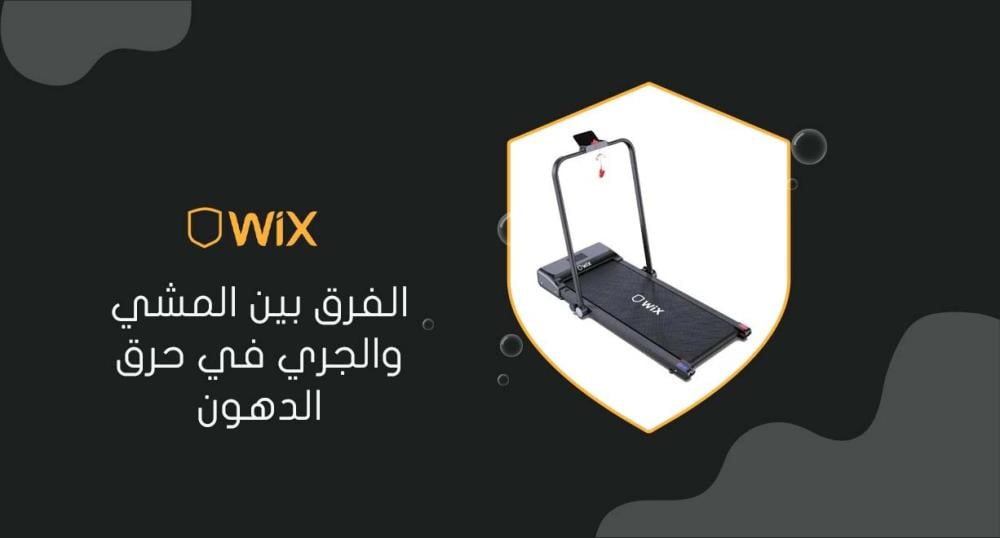
Best electric treadmill from Wicks
An electric treadmill is a practical option for exercising at home, as it provides an integrated training experience that combines efficiency, safety, and ease of use. The device is designed to support multiple exercise modes such as walking, running, and HIIT workouts, with a smart foldable structure that makes it easy to use and store in various home spaces.
Features of the electric treadmill:
- Powerful and stable motor: 1.5 horsepower ensures consistent performance during daily workouts.
- Variable speed range: speeds up to 12 km/h to suit different fitness levels.
- High load capacity: It can withstand a weight of up to 120 kg with excellent stability during operation.
- Comfortable running area: A spacious surface 116 cm long and 39 cm wide to provide greater freedom of movement.
- Multifunctional display screen: to display time, speed, distance, calories, and number of steps.
- Mobile phone holder: Allows you to follow content or training programs during exercise.
- Effective security system: Equipped with a security key and remote control to stop the device as soon as needed.
- Easy to transport and store: Foldable design with the possibility of vertical storage without taking up space.
- Smooth and simple control: Dedicated buttons for operation and speed adjustment, plus a remote control.
- Easy maintenance: It only needs periodic lubrication every 30 hours or 30 days to maintain performance.
- Balanced weight: 22.5 kg facilitates movement while maintaining stability during use.
The Wicks electric treadmill provides a practical solution for home workouts, with reliable performance and a design to suit various needs, and is available in the home fitness equipment section .

Tips to increase fat burning rate while walking and running
To increase the rate of fat burning while walking and running, it is not only the movement itself that is important, but also how to exercise intelligently to increase calorie burning and promote fat loss. Below we offer you the most important practical tips to achieve this:
- Use progression exercises: Incorporating short periods of high speed between periods of slow walking or moderate running increases energy expenditure and promotes fat burning.
- Gradually increase the duration: Walking or running for a longer time (e.g., 45–60 minutes) helps the body switch to using fat as an energy source, especially after passing the glycogen stage.
- Exercise on inclines or hills: Increasing the incline of the path or walking/running in elevated areas stimulates more muscles and increases calorie burning compared to walking on flat ground.
- Stick to a moderate but consistent pace: Maintaining an exercise pace that makes you breathe deeply but that you can sustain, enhances the body's ability to burn fat effectively.
- Maintain good posture: Walking upright with actively moving your arms helps burn more calories because the body is working as a whole, not just the legs.
- Use additional exercises: Incorporating simple strength exercises such as squats or push-ups between walking sessions can raise your metabolic rate and contribute to increased energy expenditure.
- Wear appropriate footwear: Choosing comfortable and stable shoes improves performance and reduces joint stress, allowing for longer and more effective workout sessions.
The most frequently asked questions about the difference between walking and running in burning fat
Which uses fat as an energy source more?
During moderate-intensity walking, the body uses a higher percentage of fat as an energy source compared to running, but running burns more calories and total fat due to its high intensity.
Is walking better for the body than running?
Walking is low-impact on the joints and suitable for beginners or those with knee problems, while running is high-impact and may be more stressful on the joints but burns energy faster.
Is walking or running better for long-term weight loss?
Both are beneficial for weight loss as long as you exercise regularly and create a calorie deficit (burn more than you eat), but running may give faster results if you are able to do it.
Is it possible to combine walking and running?
Yes, combining them in a training program, such as short running periods with walking, can increase calorie and fat burning and give you variety in your exercise.
In conclusion, we have learned the difference between walking and running in burning fat. Walking provides a low-impact activity that relies on fat as an energy source and allows for longer duration without straining the joints, while running burns calories and total fat faster and enhances cardiovascular fitness and endurance. Choosing the most suitable option depends on your goal, fitness level, and your commitment to exercise to achieve the best health results.
Read also:
Benefits of an electric treadmill for body toning
Sources: